

Are you struggling with the rising costs of fragmented shipping and the logistical headaches of managing multiple distribution points? In a fast-paced market, inefficient less-than-truckload shipments can drain your margins and delay your delivery timelines. By leveraging warehouse consolidation benefits, you can transform these supply chain pain points into a competitive advantage through centralized operations and full truckload efficiency.
How much could your business scale if your logistics partner acted as a seamless extension of your own team? Professional logistics services provide the accuracy and flexibility needed to merge smaller shipments into a streamlined flow, significantly reducing fuel surcharges and transportation overhead. This strategic approach ensures that your inventory moves faster and more reliably, providing the stability your brand needs to thrive.
Key Takeaways
- Consolidating multiple distribution points into a single hub eliminates redundant overhead costs like property taxes, utilities, and duplicate staffing requirements.
- Converting fragmented Less-than-Truckload (LTL) shipments into high-density Full Truckload (FTL) shipments significantly reduces fuel surcharges and transportation spend.
- Centralized inventory management lowers total safety stock requirements and frees up capital by providing a unified view of assets and more accurate forecasting.
- Unified fulfillment workflows and standardized scanning protocols at a single location drastically improve order accuracy and minimize the risk of handling damage.
Maximizing Freight Savings Through LTL To FTL Conversion
Are you tired of watching your profit margins erode due to the unpredictable costs of fuel surcharges and fragmented shipping rates? When you rely on multiple Less-than-Truckload shipments, you are essentially paying a premium for empty space and inefficient routing. Warehouse consolidation solves this pain point by acting as a strategic filter for your inventory, allowing you to merge smaller quantities into a single, high-density shipment. This transition to Full Truckload shipping provides immediate relief to your bottom line by securing more stable pricing and drastically reducing the number of individual transactions you must manage. By optimizing your transportation spend, you transform a complex logistical burden into a streamlined competitive advantage.
How much more could your business achieve if your logistics partner functioned as a seamless extension of your own team? Our approach to consolidation focuses on extreme accuracy and flexibility, ensuring that your goods are grouped intelligently to maximize every cubic foot of trailer space. We understand that supply chain demands can change in an instant, which is why our scalable solutions are designed to adapt to your fluctuating volume without sacrificing speed. By eliminating the frequent stops and transfers associated with traditional smaller shipments, we also minimize the risk of handling damage and transit delays. You deserve a reliable strategy that prioritizes your specific delivery windows while maintaining the highest standards of freight efficiency.
Implementing an FTL conversion strategy does more than just lower your immediate freight bills; it creates a more sustainable and predictable distribution model for the long term. This centralized method allows you to gain better visibility over your inventory movement, offering the clarity needed to make data-driven decisions for your future growth. As your business expands, having a robust consolidation framework in place ensures that your logistics costs do not scale faster than your revenue. We provide the expertise and infrastructure necessary to handle the heavy lifting of coordination, letting you focus on your core operations. Choosing to consolidate is a commitment to operational excellence that pays dividends through improved reliability and significant transportation savings.
Reducing Overhead By Centralizing Distribution Hubs
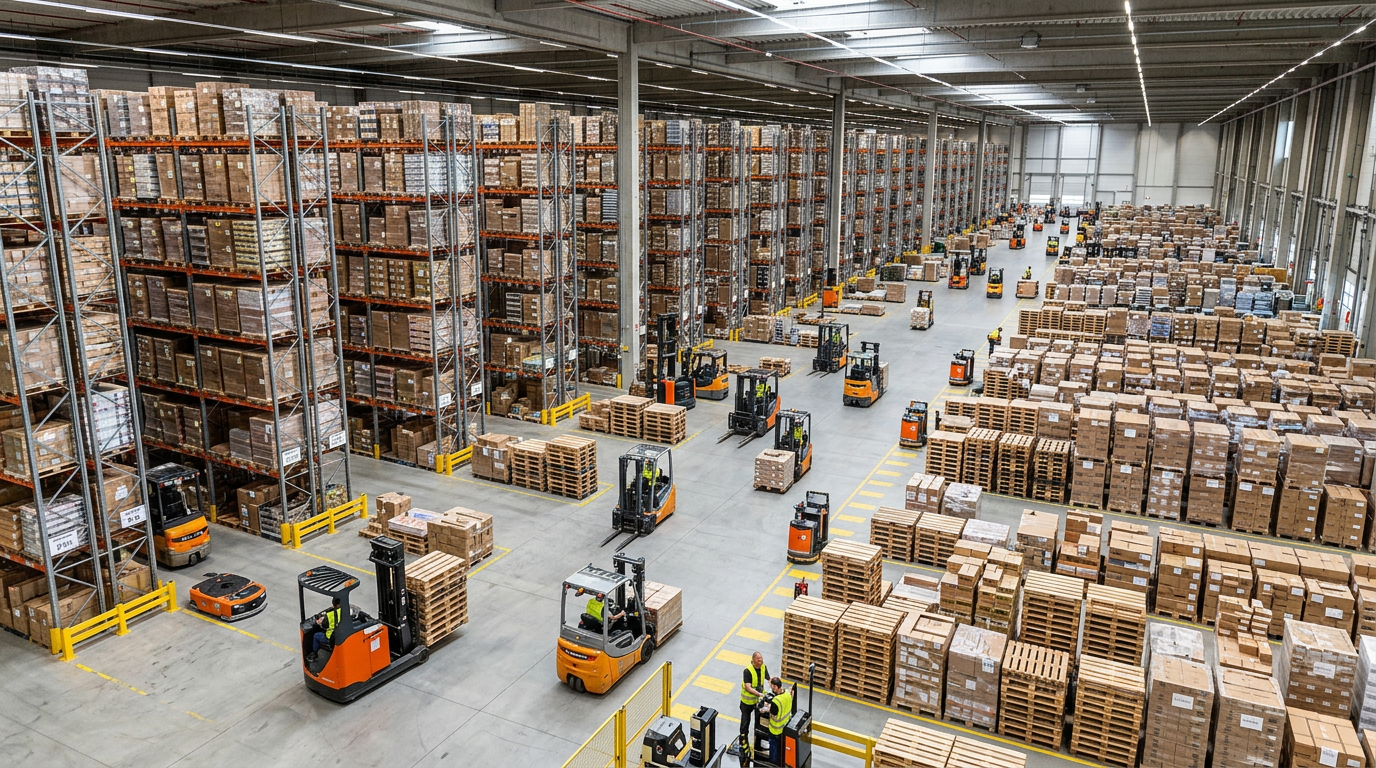
Maintaining multiple underutilized facilities creates a constant drain on your bottom line through repetitive fixed costs. Every additional location you manage multiplies your obligations for property taxes, high-capacity utility bills, and expensive structural maintenance. By centralizing your distribution into a single hub, you eliminate these redundant line items and gain immediate control over your operational spending. Why continue to pay for the upkeep of three roofs when one optimized facility can handle your entire volume? This strategic shift allows you to reallocate capital toward growth-oriented investments rather than facility overhead.
Streamlining your physical footprint also simplifies your labor management and security requirements across the supply chain. Managing a fragmented network often leads to inefficient staffing levels and the need for duplicate security systems at every site. When you consolidate, you can leverage a more agile workforce and implement sophisticated monitoring technologies at a single, high-performance location. This approach improves your accuracy and ensures that your inventory is protected by a unified, robust infrastructure. We act as a seamless extension of your business to ensure this transition enhances your scalability without sacrificing service quality.
Centralization provides the flexibility needed to adapt to fluctuating market demands without the burden of maintaining excess real estate. Operating from a primary hub allows for more precise inventory tracking and reduces the risk of stock discrepancies that often plague decentralized networks. You can achieve greater economies of scale by focusing your resources on a high-density environment designed for maximum throughput. This structural refinement not only lowers your immediate overhead but also creates a more resilient foundation for future expansion. Are you ready to stop paying for duplicate space and start maximizing the value of every square foot?
Streamlining Inventory Management And Safety Stock Requirements
Managing inventory across a fragmented network of small facilities often leads to a cycle of overstocking and wasted capital. When your stock is scattered, you lose the visibility required to make precise replenishment decisions, forcing you to maintain high safety stock levels at every single location. Warehouse consolidation solves this pain point by creating a unified inventory view that eliminates the need for redundant buffers. By centralizing your assets, you can drastically reduce the total volume of safety stock required to meet customer demand. This strategic shift ensures that your capital is no longer tied up in excess products sitting on shelves across multiple regions.
How much could your business grow if you unlocked the liquidity currently trapped in your overstock? Consolidating your operations allows for a more accurate forecasting model because you are analyzing data from a single, comprehensive source rather than disparate silos. This increased accuracy means you can respond to market fluctuations with greater flexibility and precision. A streamlined hub acts as a reliable extension of your business, ensuring that every square foot of space is optimized for high turnover. You gain the ability to scale your operations without the traditional headache of managing complex, multi-site logistics.
Accuracy in inventory management is not just about counting boxes, it is about maintaining a lean and agile supply chain. When you transition to a consolidated model, you reduce the risk of stockouts and overages that typically plague decentralized systems. This approach provides a clear path toward operational excellence by simplifying your tracking and auditing processes. You can finally move away from reactive logistics and toward a proactive strategy that prioritizes efficiency and cost control. Embracing a unified distribution strategy positions your company to handle increased order volumes with ease and professional reliability.
Enhancing Order Accuracy With Unified Fulfillment Workflows
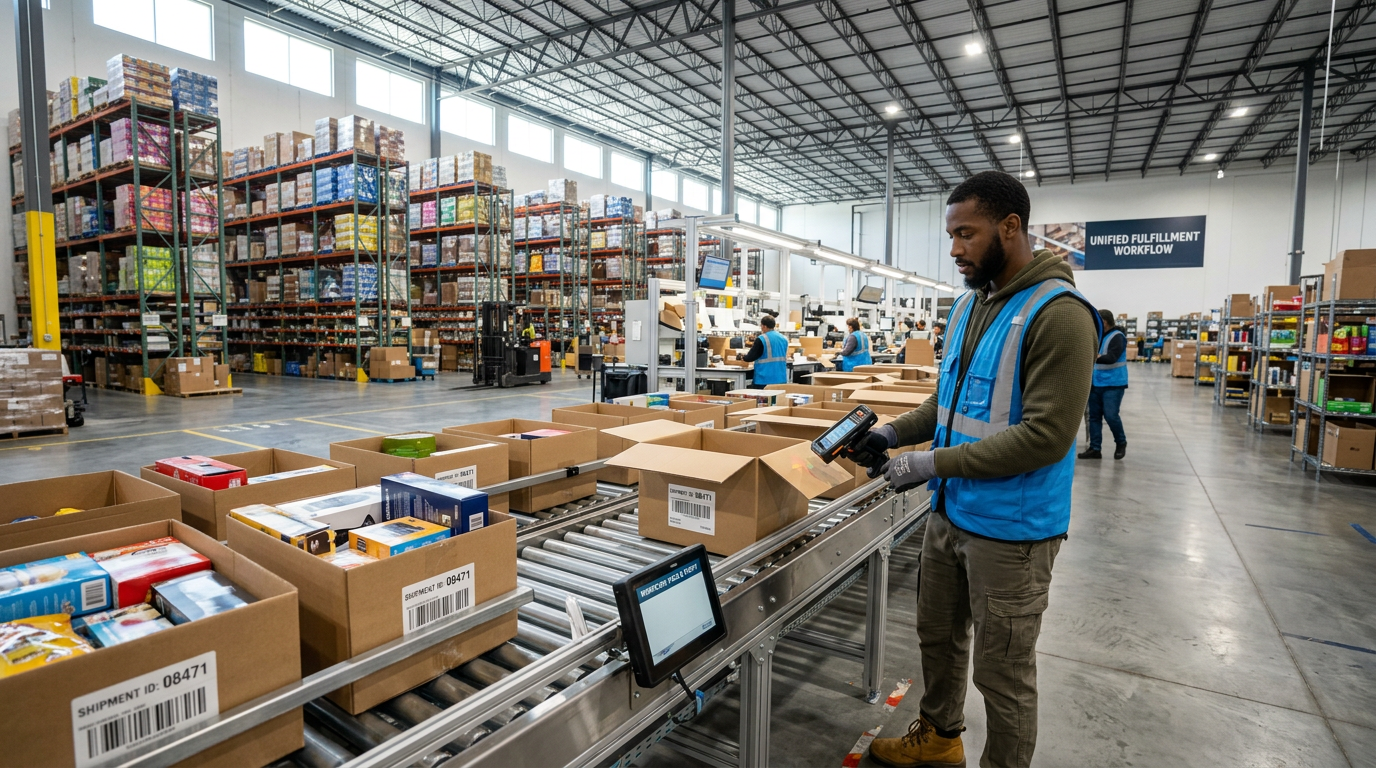
When you manage fulfillment across multiple, disjointed locations, you often face the challenge of inconsistent workflows that lead to costly picking errors. Warehouse consolidation eliminates these discrepancies by establishing a single, unified environment where every order follows the same rigorous quality control standards. By centralizing your inventory, you gain a clearer view of your stock levels and can implement standardized scanning protocols that catch mistakes before they reach the loading dock. Are you tired of dealing with the logistical headaches caused by fragmented data and mislabeled shipments? This streamlined approach ensures that your fulfillment team operates with total synchronization, providing the high level of precision your customers expect.
Transitioning to a consolidated hub allows you to leverage advanced automation and specialized layouts that are often too expensive to maintain across several smaller sites. These unified fulfillment workflows reduce the physical distance between storage and shipping zones, minimizing the manual handling that frequently leads to damaged or misplaced goods. As your business scales, these standardized processes act as a reliable extension of your operations, ensuring that increased volume does not result in decreased accuracy. You can finally move away from reactive troubleshooting and focus on proactive growth, knowing your supply chain is built on a foundation of repeatable success. This strategic shift not only protects your brand reputation but also guarantees faster, more reliable delivery times for every single order.
Building a Lean, Scalable Supply Chain
Warehouse consolidation is more than a short-term fix for rising fuel costs; it is a fundamental shift toward a more resilient and scalable supply chain. By centralizing your inventory and streamlining your distribution channels, you eliminate the redundancies that often stifle business growth. This unified model allows you to respond to market fluctuations with greater agility, ensuring that your operations remain lean even as your order volume increases. Are you currently struggling with fragmented data and disjointed shipping schedules that prevent you from seeing the bigger picture? Transitioning to a consolidated strategy provides the clarity needed to make data-driven decisions that propel your business forward.
As your business expands, the ability to maintain precision and speed becomes your most significant competitive advantage. A consolidated warehouse framework acts as a powerful engine for growth, allowing you to scale up without a proportional increase in overhead or administrative complexity. This approach minimizes the risk of stockouts and shipping errors, directly translating to higher customer satisfaction and brand loyalty. By treating your logistics provider as a true extension of your team, you can focus on product innovation while the complexities of the supply chain are managed with expert accuracy. You deserve a partner that prioritizes your long-term success through flexible and reliable infrastructure.
To ensure your business is positioned for maximum efficiency, it is time to evaluate how your current logistics strategy stacks up against modern industry standards. Discover how our Warehousing and Storage Solutions Through A Third-Party Logistics Provider can help you reduce shipping costs and unlock the full potential of warehouse consolidation and drive sustainable cost savings. Our team is ready to assist you in designing a customized roadmap with our shipping partners that optimizes your footprint and enhances your overall delivery performance. Contact us today to explore our comprehensive services and learn more about how we can transform your distribution network into a high-performing asset.
